Your Skin changes after chemotherapy images are available in this site. Skin changes after chemotherapy are a topic that is being searched for and liked by netizens now. You can Find and Download the Skin changes after chemotherapy files here. Find and Download all free images.
If you’re looking for skin changes after chemotherapy pictures information connected with to the skin changes after chemotherapy interest, you have pay a visit to the right blog. Our website always gives you suggestions for downloading the maximum quality video and picture content, please kindly search and locate more informative video articles and images that match your interests.
Skin Changes After Chemotherapy. These changes usually grow out over a few months after the treatment has finished. The cause of these skin reactions is currently unknown but may involve direct toxicity stimulation of melanocytes cells in skin responsible for skin color and postinflammatory changes. Flushing and rashes are two additional skin conditions that may develop during chemotherapy. Some of these changes can include rash light sensitivity dry and itchy skin color changes and mouth sores.
 Chemotherapy Side Effects 18 Ways Chemo Affects You From healthline.com
Sore dry hands and feet. During chemotherapy treatments there is a chance that a few minor changes may occur to a patients skin. You can take steps to soothe and protect your skin that may help you feel better. Some types of chemotherapy can cause your skin to become dry itchy red or darker or peel. Common Skin Changes During Chemo You may notice several changes depending on which chemotherapy medications you receive. Some chemo drugs are associated with causing the skin to become flushed.
What you should do.
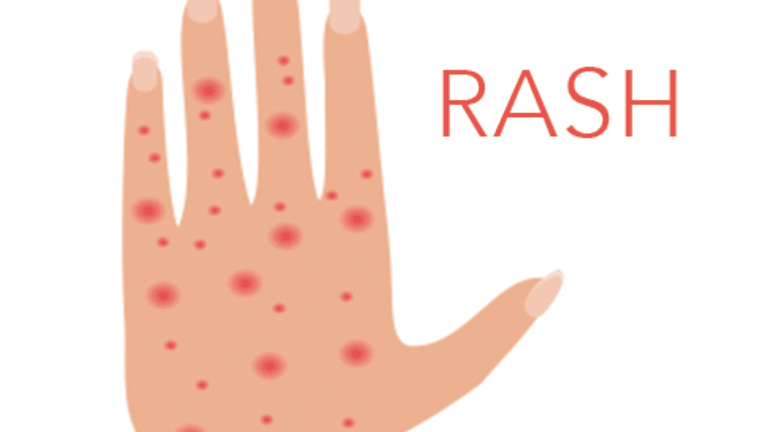
You might develop any number of rash reactions such as acne hives maculopapular rash psoriasis and purpura. Common Skin Changes During Chemo You may notice several changes depending on which chemotherapy medications you receive. Nails may develop ridges and white lines. Adverse skin changes due to chemotherapy Drug-induced photosensitivity Neutrophilic eccrine hidradenitis Pigmented streaks caused by bleomycin Eccrine squamous metaplasia Eccrine squamous metaplasia is a rare skin reaction. These include an increase in skin colour or blotchiness. Chemotherapy can cause skin changes.
 Source: copewithcancer.org
Chemotherapy can cause skin changes. In this article we look at some skin changes that can occur after chemotherapy. This usually fades in time. You may develop a minor rash or sunburn easily. Some types of chemotherapy can cause your skin to become dry itchy red or darker or peel.
 Source: balmonds.co.uk
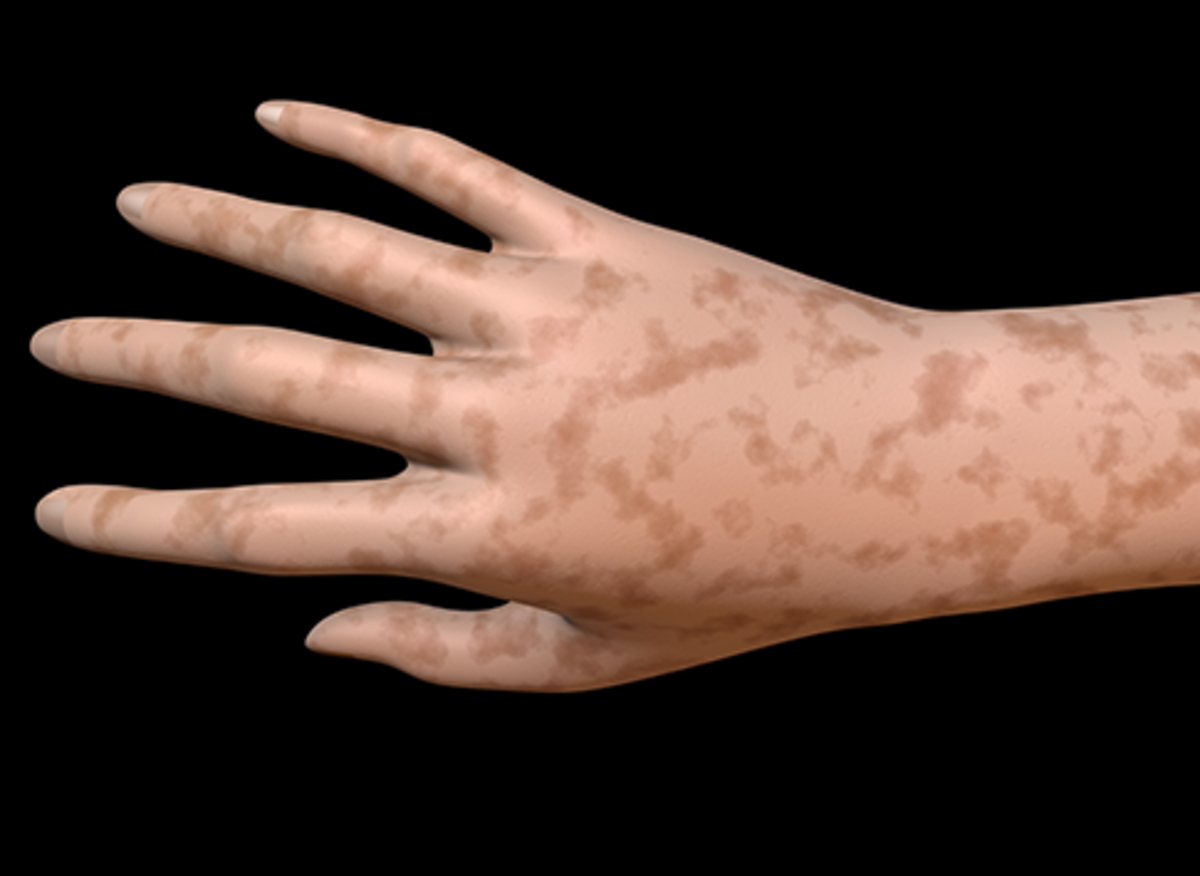
Discoloration often presents as dark spots and is more common in people who have darker skin tones. What are common skin changes during cancer treatment. During your course of chemotherapy. These include an increase in skin colour or blotchiness. You may not even notice.
 Source: cancertherapyadvisor.com
Some of these changes can include rash light sensitivity dry and itchy skin color changes and mouth sores. This is commonly referred to as flushing. This is usually temporary and will disappear after treatment has finished. Some of these changes can include rash light sensitivity dry and itchy skin color changes and mouth sores. Sore dry hands and feet.
 Source: researchgate.net
This happens when the blood capillaries which are the smallest part of blood vessels enlarge and expand. The skin also can get dry become darker or even more pale. Skin discoloration is a common skin change during chemo treatment. These include an increase in skin colour or blotchiness. Skin colour changes Chemotherapy and radiotherapy can cause changes in the skin.
 Source: news.cancerconnect.com
Although skin reactions may occasionally be permanent in most cases discoloration will gradually resolve after chemotherapy is stopped. Your nails also may become more dry and brittle during treatment. You may develop sores that become painful wet and infected. This is usually temporary and will disappear after treatment has finished. Your skin changes may last for a few months but could last longer depending on your treatment.
 Source: cancertherapyadvisor.com
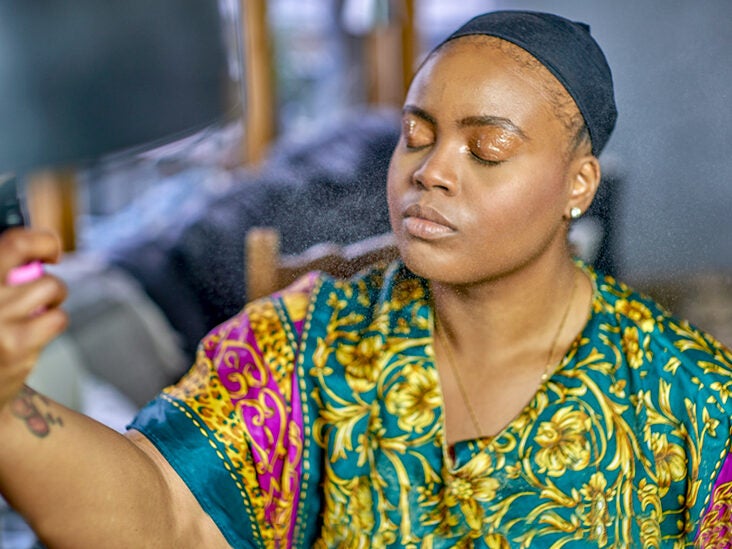
Chemotherapy can cause skin changes. Certain chemotherapy drugs can cause temporary redness in the face and neck. You may develop a minor rash or sunburn easily. Chemotherapy-induced substantial changes in objective skin composition parameters. Nails may develop ridges and white lines.
 Source: healthline.com
You may develop a minor rash or sunburn easily. Protect your skin from the sun Do not use cosmetics to cover blemishes on the skin receiving radiation treatment. Discoloration often presents as dark spots and is more common in people who have darker skin tones. You may not even notice. Skin discoloration is a common skin change during chemo treatment.
 Source: cancertherapyadvisor.com
The skin also can get dry become darker or even more pale. Nails become darker than usual. This is called a moist reaction. Facial Rejuvenation After Chemotherapy Chemotherapy does take a toll on the skin of most patients. Protect your skin from the sun Do not use cosmetics to cover blemishes on the skin receiving radiation treatment.
Source: healthline.com
In this article we look at some skin changes that can occur after chemotherapy. This happens when the blood capillaries which are the smallest part of blood vessels enlarge and expand. Chemotherapy and immunotherapy can also change the color or pigment of the skin but its less common. You might develop any number of rash reactions such as acne hives maculopapular rash psoriasis and purpura. You can take steps to soothe and protect your skin that may help you feel better.
 Source: cancertherapyadvisor.com
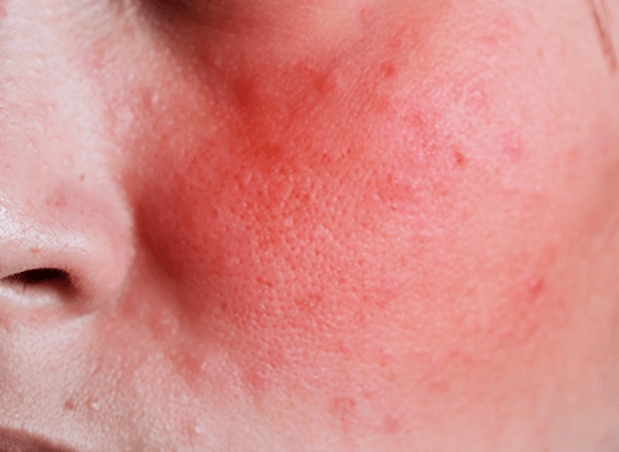
Your skin changes may last for a few months but could last longer depending on your treatment. You can take steps to soothe and protect your skin that may help you feel better. Certain chemotherapy drugs can cause temporary redness in the face and neck. Skin changes are some of the most common issues you may encounter in life after chemo and why many cancer patients seek out skin care products. Chemotherapy-induced substantial changes in objective skin composition parameters.
 Source: news.cancerconnect.com
This is called a moist reaction. During your course of chemotherapy. Discoloration often presents as dark spots and is more common in people who have darker skin tones. The most common things we see are rashes and dry skin which may be accompanied by itchiness or burning of the skin. Steroids can make your skin more likely to get spots and redden.
 Source: news.cancerconnect.com
Cancer Research UK a charity based in the United. Your nails also may become more dry and brittle during treatment. You may develop sores that become painful wet and infected. Chemotherapy targeted and immunotherapies hormonal therapies or steroids can cause rashes dry skin or spots that look like acne. If you are having immunotherapy treatment and you get a.
 Source: pinterest.com
If you develop a redness on your neck and face it is likely due to blood capillaries becoming dilated. These side effects however may be addressed with the right skin care products. Skin discoloration is a common skin change during chemo treatment. What are common skin changes during cancer treatment. This is commonly referred to as flushing.
 Source: pinterest.com
Your skin changes may last for a few months but could last longer depending on your treatment. Nails become darker than usual. In this article we look at some skin changes that can occur after chemotherapy. This is called photosensitivity. This is commonly referred to as flushing.
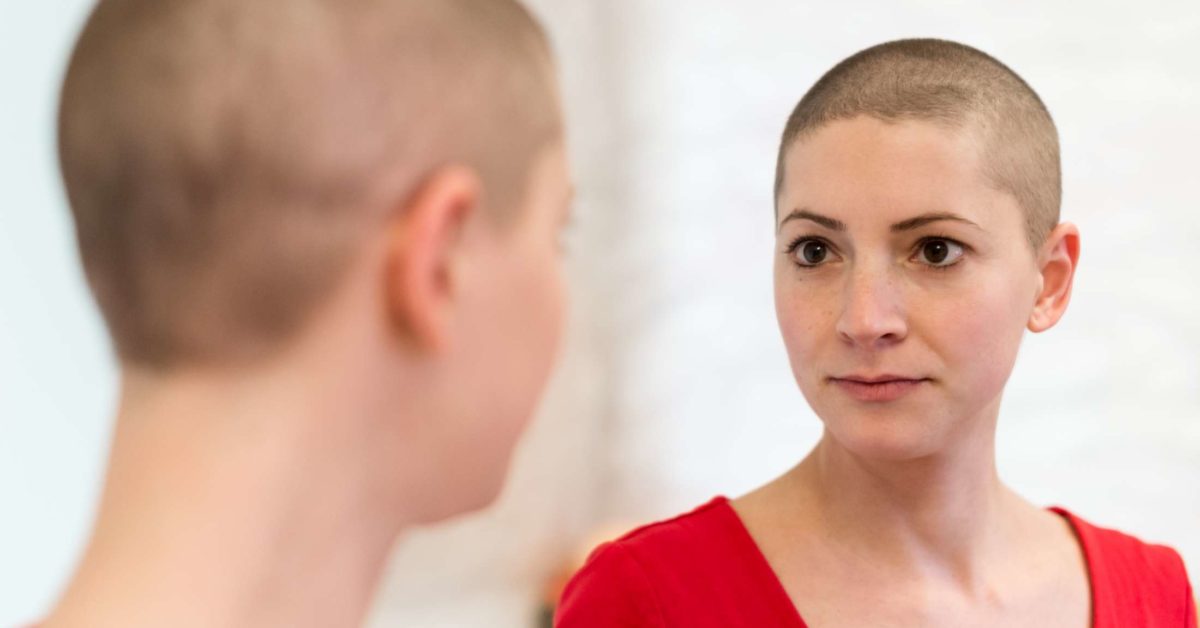 Source: medicalnewstoday.com
You may develop sores that become painful wet and infected. You may find your nails also change and become darker than usual or develop ridges or white lines across them. You may develop sores that become painful wet and infected. Chemotherapy can cause skin changes. You can take steps to soothe and protect your skin that may help you feel better.
 Source: moffitt.org
I recommend that you visit an experienced dermatologist to begin the process of rejuvenating your skin. Sore dry hands and feet. During chemotherapy treatments there is a chance that a few minor changes may occur to a patients skin. Skin changes also occur during chemotherapy. According to an older study other common skin conditions that appear during chemotherapy include.
 Source: balmonds.co.uk
You may develop a minor rash or sunburn easily. Some chemo drugs are associated with causing the skin to become flushed. Chemotherapy and immunotherapy can also change the color or pigment of the skin but its less common. Although skin reactions may occasionally be permanent in most cases discoloration will gradually resolve after chemotherapy is stopped. Studies have also identified changes in the skin hair and nails during treatment.
 Source: sciencedirect.com
Protect your skin from the sun Do not use cosmetics to cover blemishes on the skin receiving radiation treatment. It is also known as syringometaplasia and affects the upper part of the eccrine sweat duct. The cause of these skin reactions is currently unknown but may involve direct toxicity stimulation of melanocytes cells in skin responsible for skin color and postinflammatory changes. This is commonly referred to as flushing. Skin colour changes Chemotherapy and radiotherapy can cause changes in the skin.
This site is an open community for users to do submittion their favorite wallpapers on the internet, all images or pictures in this website are for personal wallpaper use only, it is stricly prohibited to use this wallpaper for commercial purposes, if you are the author and find this image is shared without your permission, please kindly raise a DMCA report to Us.
If you find this site value, please support us by sharing this posts to your preference social media accounts like Facebook, Instagram and so on or you can also save this blog page with the title skin changes after chemotherapy by using Ctrl + D for devices a laptop with a Windows operating system or Command + D for laptops with an Apple operating system. If you use a smartphone, you can also use the drawer menu of the browser you are using. Whether it’s a Windows, Mac, iOS or Android operating system, you will still be able to bookmark this website.


